
Governance: the impact of our collaborations on healthcare of the future
How does UMC Utrecht, together with our partners, take control of health in the country?
The challenges in healthcare – such as growing demand for care, staff shortages, and rising costs – require collaboration and coordination. UMC Utrecht therefore takes active responsibility together with partners for the future of healthcare and for the places where care is delivered. By working together in regional networks, national programs, and knowledge alliances, we ensure that patients receive the right care in the right place. In this way, we work together on a future‑proof healthcare system.
Academic workplaces
In 2025, UMC Utrecht worked intensively in academic workplaces
An important goal is to organize care closer to home and to better align it with the growing and more complex demand for care. By combining practical knowledge and experience directly with research, improvements can be implemented more quickly. This way of working contributes to future-proof community care and makes the healthcare system as a whole more resilient.
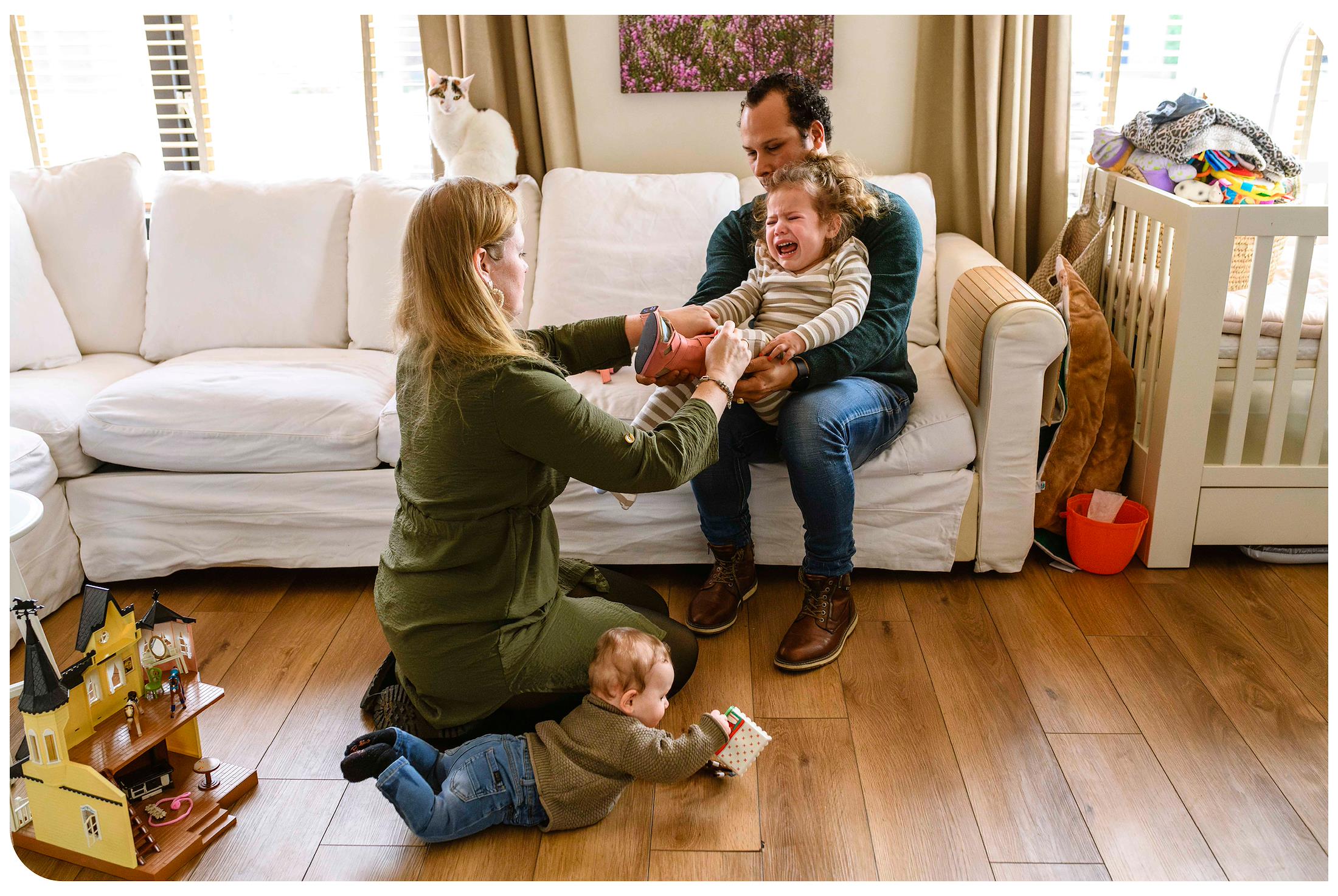
Cluster congenital heart care: collaboration between Leiden, Amsterdam, and Utrecht
UMC Utrecht is part of the Congenital Heart Disease Network
By pooling expertise and care capacity, complex care is concentrated and organized within a national network. This ensures that patients with a congenital heart defect receive the right care in the right place and that the centers jointly strengthen research, training, and innovation in pediatric cardiac care.
IZA and national cooperation
Within the Integral Healthcare Agreement (IZA) and collaborations such as UMCNL and the Supplementary Care and Welfare Agreement (AZWA), we worked in 2025 on appropriate care, concentration of complex care, and maintaining accessibility.
A concrete example of this is the further development of regional and national care networks in which agreements are made about distributing and concentrating care. By concentrating complex treatments at specific locations and organizing other care closer to home, we ensure that patients receive the right care in the right place. At the same time, we work with partners on using capacity more efficiently and organizing care pathways more effectively.
This collaboration helps keep healthcare accessible, affordable, and of high quality in the future.