Our direction and approach
As UMC Utrecht, we pursue our mission through our core tasks which are healthcare, research, education, and valorization. We focus on innovating faster and responding better to changes and questions from society. With each other and with our international, national, and regional partners.
Work and learning pleasure, and future-proof teams
Good and satisfied colleagues are essential. We therefore take extra care and time to train, recruit, and retain colleagues. This starts with work and learning pleasure, good health, and a good work-life balance. But also with scope for education and development. In addition, we look for smart solutions, such as digitalization and new ways of working together. This ensures that everyone can continue to contribute wholeheartedly to the health of others.
Renewal in education
With Quality funding for education, which became available in addition to improve the quality of education, we are investing in three areas: innovation of our education, skill training for lecturers, and student wellbeing and development. Read more about what we achieved in 2025 with Quality Funding for Education.
Professionals of the future needed
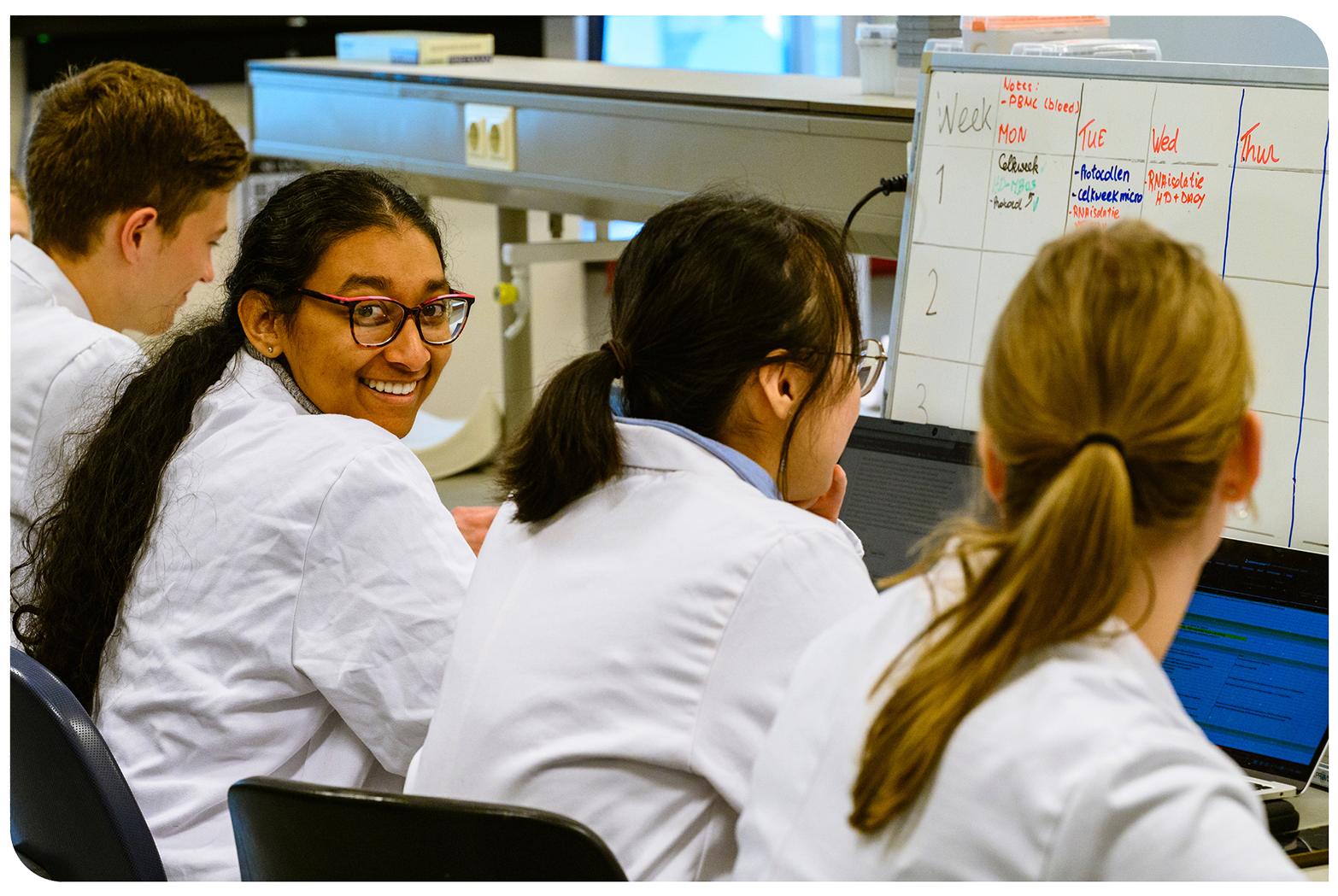
We are training professionals of the future who will be equipped to tackle all of these challenges. We provide the knowledge and skills they need. Our distinctive approach for this is our educational strategy The New Utrecht School.
Continue to invest in high-level research
At UMC Utrecht, we continue to invest in the performance of high-level research to maintain and further expand our position in the international academic playing field. We distinguish ourselves by opting for research within six key areas, which we call our focal points. We concentrate on where we can truly make a difference. Within these focal points, we bring together all our research activities and organize these in close combination with our healthcare. This ensures that our research results are optimally translated into impact in practice, in other words healthcare for patients.
Working together on the healthcare of tomorrow
In 2022, we started with the Healthcare of Tomorrow program so that we can continue to offer the best in terms of healthcare, research, and education also in the future. In 2025, we advanced more than thirty concrete innovation and improvement projects within this portfolio. The portfolio is dynamic, and we continuously assess whether we are still doing the right things. Colleagues from healthcare, research, and education – and also with patients, their loved ones, and students work together on these ‘Healthcare of Tomorrow’ projects.
We thereby ensure that the changes we come up with, are truly in line with what people need. Good examples of this are preparing work processes for the future buildings and ensuring that the user perspective is always central to their design, monitoring patients' vital signs 24/7 with wearable sensors, and various AI projects such as reducing 'no-shows' at the outpatient clinics.
Network care: together, modernize healthcare and bring it closer
Any real transformation of healthcare can only happen if we work together: the healthcare of the future must be organized in chains or networks. In 2025, the national volume standards for complex oncological and vascular surgical care were finalized. Volume standards determine the minimum number of procedures a hospital must perform each year to maintain quality. By concentrating care in hospitals that perform certain treatments frequently, we combine expertise, strengthen outcomes, and use scarce staff and expensive infrastructure as efficiently as possible.
Together with our partners in the region — within Oncomid and the Vascular Surgery Network Central Netherlands — we established clear agreements on the concentration and distribution of eighteen complex treatments for cancer and vascular diseases. We did this in close consultation with health insurers and patient representatives. The result: clear agreements on where specific care is provided, ensuring that every patient receives care in the location where the best treatment for their situation is available.
Pre- and post-treatment remain organized as close to home as possible. The complex procedure itself takes place where the expertise is concentrated. Close to their home if possible, or in a specialized hospital if necessary.
Working together on concrete regional transformation plans
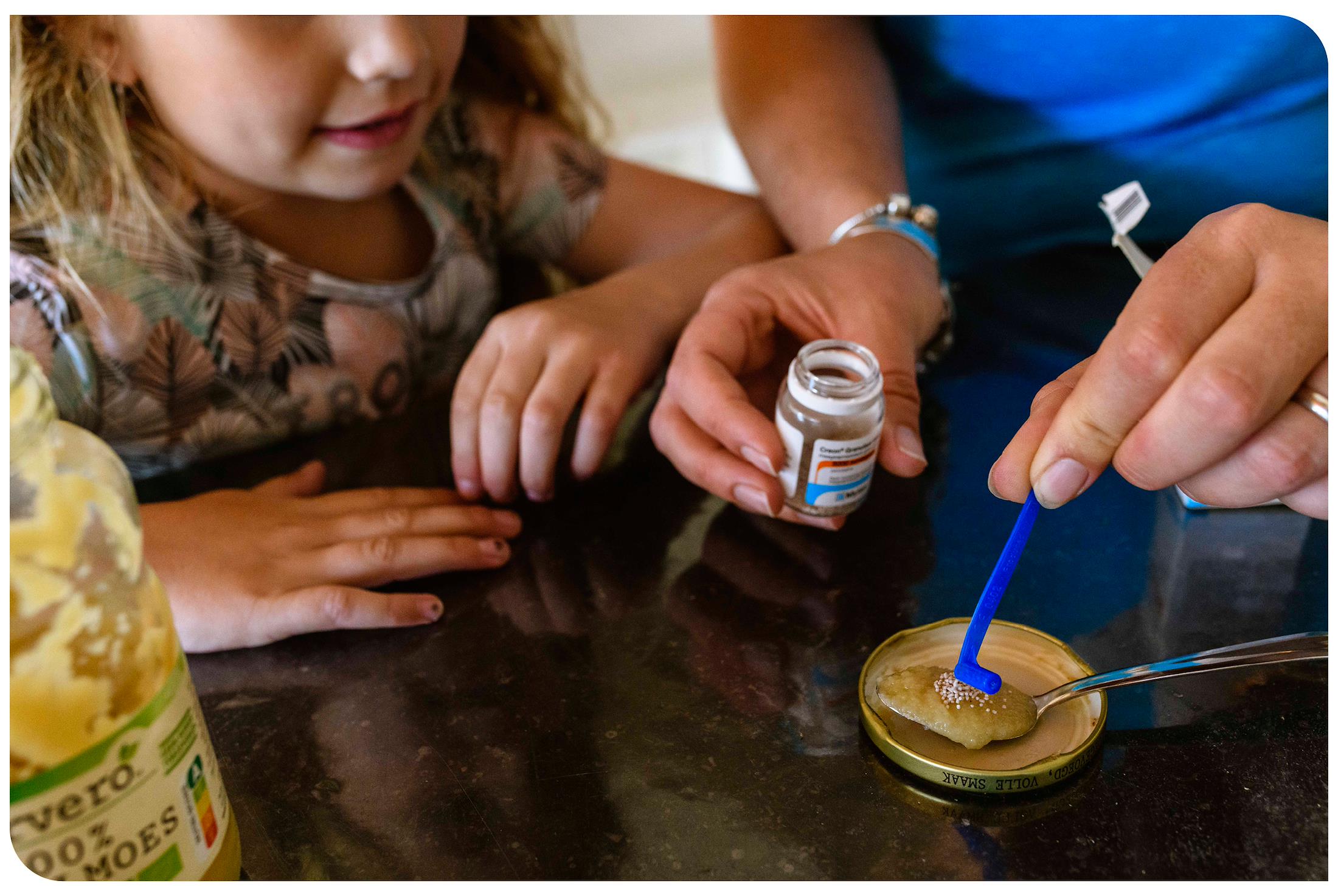
Together with partners in the region, we are also adding value by developing renewal in healthcare in the region. For example via the so-called (IZA) transformation plans. Together with general practitioners, we are working to improve palliative care. This helps ensure that people in the final phase of life are admitted to the hospital as little as possible and, if they wish, can pass away at home in a familiar environment. We are working together on this plan with our own academic healthcare and are contributing our knowledge based on research in what we call an Academic Workplace. In this workplace, we ensure that knowledge based on research and knowledge from practice are brought together. This helps us improve palliative care.
In 2025, we also worked with the region on structuring what is referred to as transmural care paths within the ‘Utrechtse Fabriek voor de realisatie van zorgtransformatie’ (“Utrecht factory for bringing about healthcare transformation”). Transmural care paths are agreements and protocols that streamline care for patients across different healthcare institutions. Together with the other hospitals, we are also working on the prerequisites for future-proof healthcare in order to organize our digital support for network care.
Healthcare transformation also requires us to establish new links with existing partners, such as the healthcare insurance company Zilveren Kruis. We have signed agreements with Zilveren Kruis regarding appropriate care: what type of care we provide, at what price, and how we can make this care future-proof together – even if pressure on staff and resources increases. In 2025, we talked extensively about the future and our joint goals for the coming years to ensure that the complex care that we as a university medical center provide, also remains accessible and appropriate in the future for anyone who needs it. We defined this at the beginning of 2025.
Collaboration within the ecosystem
Our societal challenges increasingly require a multidisciplinary approach – and an ecosystem approach in which academic institutions, governments, and companies combine their knowledge and expertise to drive innovation and translate it effectively into society.
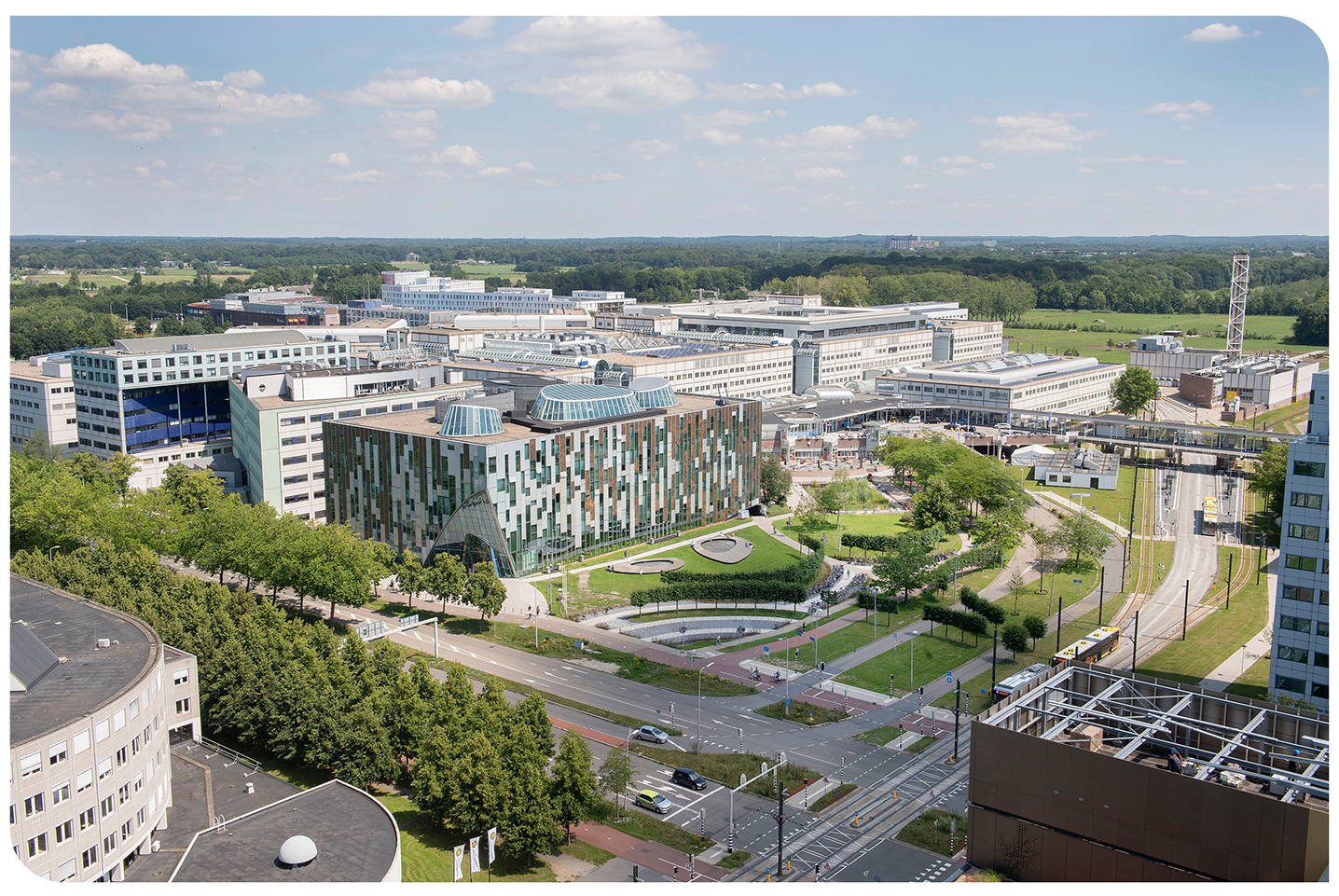
UMC Utrecht therefore works closely within the ecosystem of Utrecht Science Park (USP), where care, science, education, and entrepreneurship come together. In collaboration with partners such as Utrecht University, Utrecht University of Applied Sciences, the municipality and province and innovative companies, we are accelerating the development and application of new knowledge and technology in healthcare. This approach and vision were affirmed in the Wennink report, which highlights that regional ecosystems and innovative campuses such as Utrecht Science Park are essential for strengthening the competitiveness of the Netherlands and Europe and for increasing societal impact.
This collaboration at the USP took shape over the past year through joint development of innovative proposals in red biotechnology and MedTech, which were included in the national Wennink report. As a result, the new government designated the Life Sciences and Biotechnology domain as one of four priority areas for strategic investment. An area where we, as UMC Utrecht, are very strongly positioned based on our science and innovation.
Catalyst for a green and just healthcare system
We strive for health within planetary boundaries. Living in balance with what our planet can sustain. In 2025, we renewed our sustainability vision, as part of our organizational strategy Connecting Worlds. As UMC Utrecht, we take responsibility for the health of people now and of future generations. We aim to do more than reduce our own footprint: we want to drive the movement and initiate system change. With this commitment, we align ourselves with the Green Deal Sustainable Healthcare 3.0, the Climate Act and a sustainable and accessible Utrecht East. This also allows us to contribute to the Sustainable Development Goals (SDGs) of the United Nations.
In 2025, we worked on concrete targets such as reducing drug wastage and recycling waste, using reusable instruments, and saving energy in laboratories. We are also studying the impact that people’s environment has on their health, developing education on Planetary Health, and building an active green network.
Make our buildings ready for the future
In 2025 we started with a plan that brings all our goals for our buildings together: better care, a good place to work, space for research, and education. The design was drafted to ensure that all refurbishment plans are well aligned, that we can continue to provide regular care during the construction phase, and that we are taking steps towards a sustainable healthcare environment.
In November 2024, construction started for the renovation of the Wilhelmina Children's Hospital. We are turning it into a place where children and parents can experience tranquility, space, and privacy. And where we can offer sustainable care.
Digitalization enables the realization of our strategy
Digitalization helps us address major challenges, such as keeping care accessible, strengthening regional and national collaboration, using capacity efficiently, and maintaining the quality of our care, research, and education. Well-designed information systems also support the transition to our new organizational structure. Digitalization enables us to contribute to developments and governance agreements related to the Integral Healthcare Agreement (IZA). It will also help us with the realization of a nationwide network for secure information exchange within the healthcare sector.
Data-driven working is becoming increasingly important. We are integrating separate data collections into a central data platform for all levels of our organization and for our partners. This allows us to use data optimally for existing and new applications and lays a strong foundation for making AI solutions available quickly and efficiently across UMC Utrecht. We are also modernizing our digital systems wherever possible, ensuring continuity in our current and future information and technology systems.
Funding to serve our social mission
As a university medical center, we have a particular responsibility: we are making use of society’s financial resources. In 2025, we invested in healthcare, research, and education, but also in preparing for the healthcare of tomorrow. We make smart and sensible choices to ensure that we can continue in the future to offer care that suits people and the society in which we live.
Given the challenges ahead, targeted financial governance is more important than ever. With this, we can continue to work on providing sustainable care, being a good employer, restructuring our education, doing innovative research, embracing technological changes, and refurbishing our UMC Utrecht. Our approach aims at achieving a balance, being able to provide fast response, and changing in an uncertain environment.
Future-proof operational processes
It is essential that we make our operational processes future-proof. Only then can we realize more efficient workflows, reduce administrative burdens, and create more space for what truly matters: care, research, and education.
At UMC Utrecht, we manage our resources – personnel, finances, procurement, inventory, production, and logistics – using an Enterprise Resource Planning (ERP) system and related systems. The current ERP landscape is outdated and has been expanded over the years with custom solutions. This limits our agility, increases maintenance demands, and complicates further digitalization.
With new systems and optimized, standardized processes, we are taking a fundamental step toward integrated, standardized, and future-proof operations. In 2025, we completed the process from drafting the requirements program to procurement and ultimately the selection and awarding of systems. In 2026, the implementation of the various systems will take place in phases. We aim for a go-live on January 1, 2027, and a further optimization phase in 2027.