Social tasks
Tensions across the world demand a resilient society and resilient healthcare
Increasing geopolitical tensions in Europe and beyond highlight the growing importance of a resilient society and a robust healthcare system. Within our core tasks of care, research, and education, UMC Utrecht invests – as part of our societal role – in preparedness and continuity of care under a wide range of circumstances.
In 2025, we initiated the Resilient Healthcare Coalition, through which we address this issue concretely with national partners. We are working to strengthen crisis structures, share knowledge, and develop innovative solutions that make healthcare more resilient. In this way, we contribute to a society and healthcare system that are prepared for unexpected societal and geopolitical developments, and that can continue to provide high-quality, accessible, and safe care, even in times of heightened pressure.
Growing demand for healthcare
The world is changing, and we see this in healthcare too. People are getting older, but not everyone ages in good health. More and more people are dealing with overweight, mental issues, or long-term conditions, such as diabetes and cardiovascular disease. As a result, the demand for healthcare – including specialist academic care – is growing fast. We feel responsible for contributing to solutions that really help people – now and in the future. That is why we are working on the transformation from care to health, embedded in our research, our educational programs, and the academic care we provide.
Healthcare keeps getting more expensive and less accessible
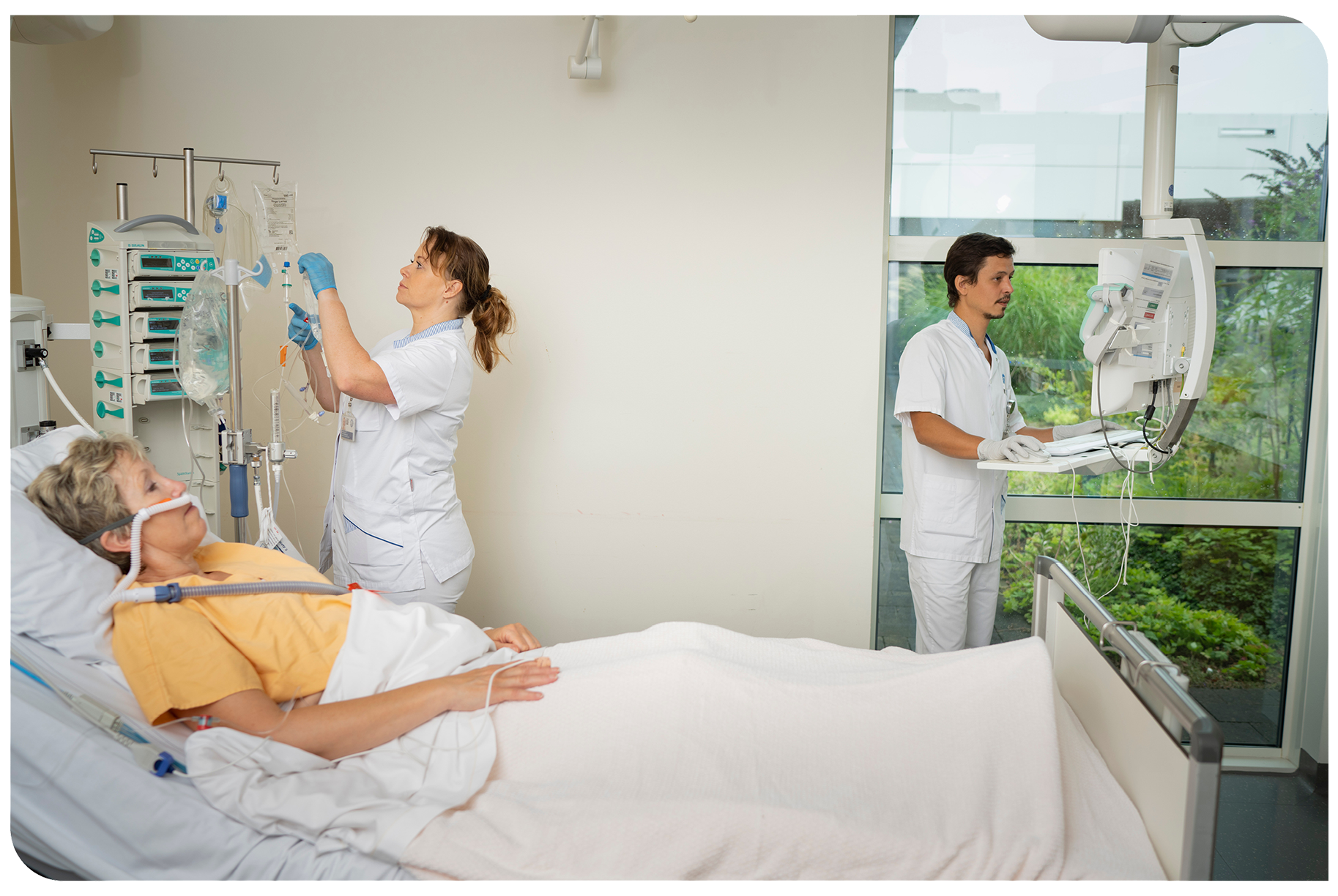
Healthcare is becoming more expensive, due for example to the fact that an increasing number of people need more or longer-term care, and due also to, often expensive, new medication and treatment technologies. At the same time, less money is available, while the current government is implementing substantial cuts to healthcare. This means that healthcare is becoming less accessible for many people. In the Integraal Zorgakkoord (IZA) or Integral Healthcare Agreement, we already made agreements for appropriate care, in other words care that is of high‑quality, accessible, and affordable. And we are looking further at how we can work as efficiently and effectively as possible. This includes collaborating with regional partners in networks to deliver appropriate care. But also the development of new (transmural) care initiatives that better organize care across institutional boundaries.
Increasing pressure on scientific research and education
Budget cuts to research and education have been partially reversed by the current government, but this remains an area of concern. Our researchers and the new generations of (healthcare) professionals that we are training have to use their knowledge and expertise to develop new solutions. At UMC Utrecht, we continue to invest in innovative training and performing high-quality scientific research. This enables us to maintain and develop our position in the international academic playing field.
Health disparities are increasing
Health disparities between different groups of people are increasing. Long-term illness, access to healthcare, and people’s average life expectancy unfortunately still differ from one neighborhood to the next. Someone with (more than) enough means often stands a better chance than someone with (too) little income. Based on our social role, we contribute to reducing health disparities where possible. We do this by building ties (through internships in the neighborhood) and by conducting health research in the communities. Because every person counts.
The environment we live in is becoming unhealthier
Human health and the health of our planet are inseparable. Unfortunately, the health of the planet, of our living environment, is under pressure. Biodiversity, air quality, and water quality are declining, and natural resources are becoming scarcer. The healthcare sector consumes 13 percent of all raw materials and is responsible for 7 percent of CO₂ emissions. Sustainability is essential to keep healthcare humane, affordable, and resilient, with supply chains that are less dependent on expensive disposable instruments or scarce resources and materials.
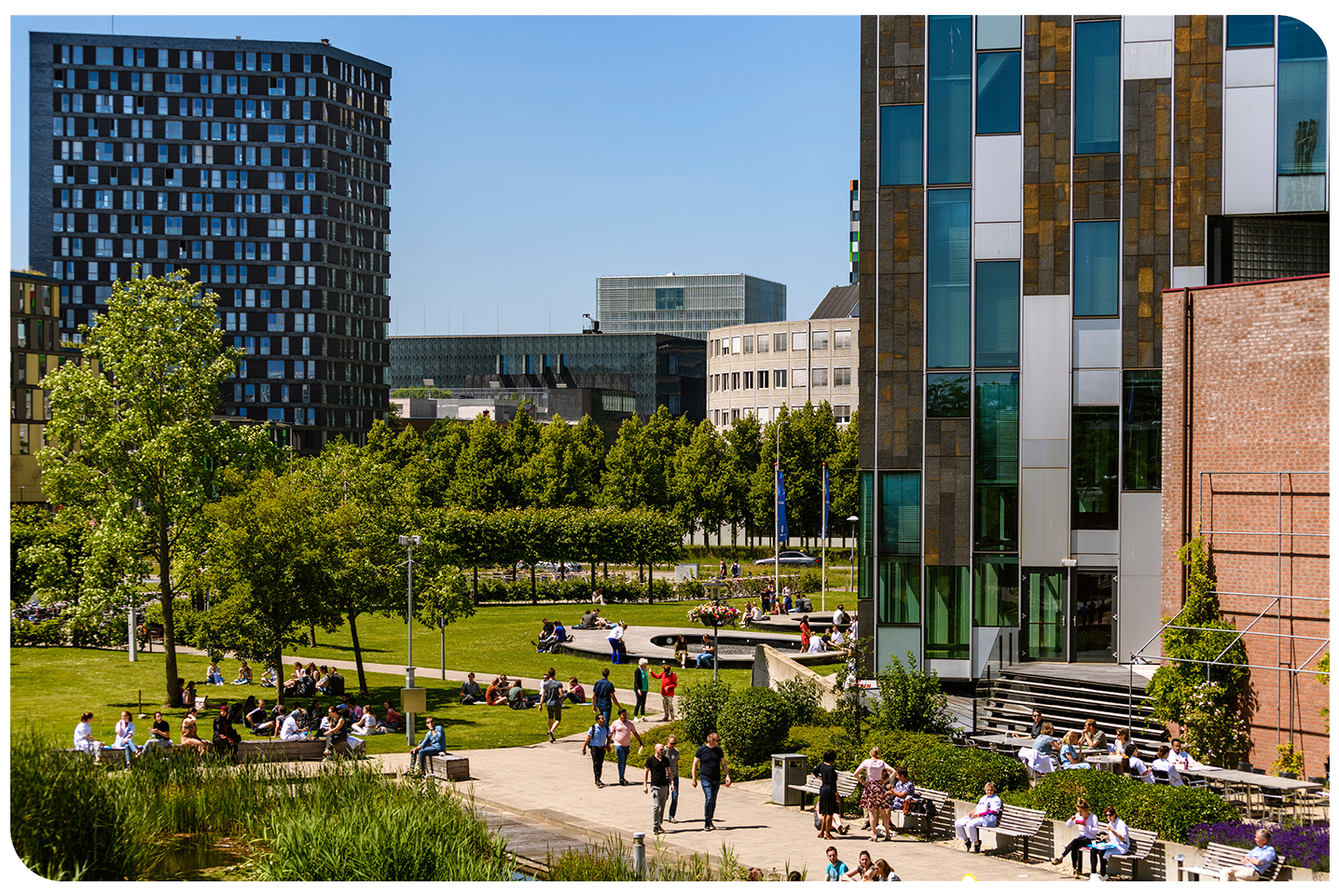
As UMC Utrecht, we take responsibility for future generations. We strive for health within planetary boundaries. We want to do more than reduce our own footprint. We want to drive the movement, change the system. This means:
-
care that is appropriate and circular
-
research that contributes to sustainable and inclusive solutions
-
education that prepares future professionals for their role in this transition and business operations that are future-proof and resilient.
Shortage of professionals
The shortage of healthcare professionals continues to grow. Our core tasks – healthcare, research, and education – can only be performed, and our knowledge turned into real innovation in daily practice (valorization), through the input of all our colleagues. It is therefore important for us to take care of each other. For example when it comes to how people feel, how satisfied they are with their job at UMC Utrecht, and what their growth opportunities are. It also ensures that we retain our colleagues. Naturally, we focus on recruiting new colleagues too. In this regard, we cooperate actively with our colleagues in the region.
Investments needed to strengthen the prosperity and competitive position of the Netherlands
Both the EU Draghi report, and the more recent Wennink report emphasize that targeted investments in research, innovation, and talent are essential to sustainably strengthen the competitiveness of the Netherlands and Europe. UMC Utrecht actively contributed to this strategic exploration, including in the areas of biomedical innovation and medical technology (MedTech).
For us as a university medical center, this directly relates to our role as a hub where care, research, education, and entrepreneurship come together. In these ecosystems, new medical technologies, data applications, and treatment methods emerge that contribute to better healthcare and to the economic strength of the Netherlands. Through close collaboration with academic institutions, government, and industry at Utrecht Science Park, we remain a driving force for innovation and contribute to a strong, future-proof healthcare sector.